
Async channel and lifecycle
Archived Based on Bluetape4k release 1.11.0
KLoggingChannel publishes events to a MutableSharedFlow; a background collector emits them to SLF4J. This separates caller latency from emission lifecycle at the cost of buffering and shutdown contracts.
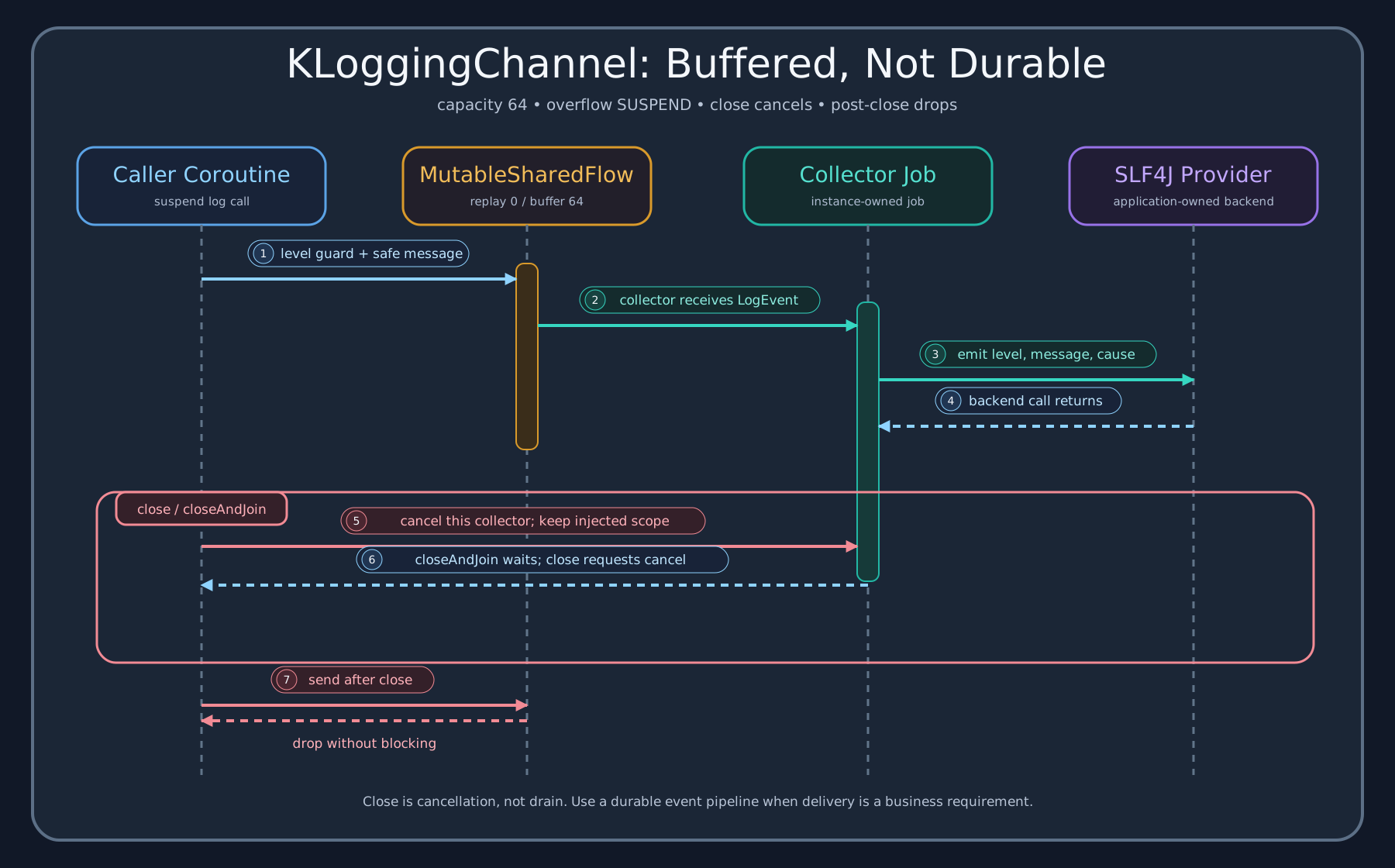
Runtime model
Section titled “Runtime model”- replay is 0;
- extra buffer capacity is 64;
- overflow policy is
SUSPEND; - default instances share
Dispatchers.IO + SupervisorJob + CoroutineName("logchannel"); - one JVM shutdown hook cancels the shared job.
SUSPEND does not mean unbounded asynchronous delivery. When a slow collector fills the buffer, send suspends in emit.
Use and shutdown
Section titled “Use and shutdown”class ImportWorker : AutoCloseable { private val logger = object : KLoggingChannel() {}
suspend fun run(id: String) { logger.info { "Import started id=$id" } }
override fun close() = logger.close()}close() is idempotent and cancels only this instance’s collector. An injected CoroutineScope remains caller-owned. Tests and suspend lifecycle callbacks can use closeAndJoin() to wait for collector termination.
Delivery boundary
Section titled “Delivery boundary”Close currently cancels; it does not drain. Events buffered immediately before close are not guaranteed to reach the backend. send after close drops the event without blocking. This is not a transport for audit or must-persist events.
The collector catches an exception from an individual emission and attempts an error log. It rethrows CancellationException to preserve cancellation semantics.
Decision table
Section titled “Decision table”| Condition | Choice |
|---|---|
| Ordinary request/service logs | KLogging |
| Measured appender bottleneck and suspend backpressure acceptable | consider KLoggingChannel |
| Every pending event must survive shutdown | durable queue or explicit drain design |
| Audit/security event | durable event pipeline, not a logging channel |
Source and tests
Section titled “Source and tests”Finish with configuration and diagnostics in Operations & recipes.