
수명주기와 취소
보존 버전 Bluetape4k 1.11.0 릴리스 기준
Coroutine을 시작하는 위치보다 누가 끝내는지가 더 중요합니다. 요청과 함께 끝나야 하는 작업을 component scope로 탈출시키거나, component가 만든 dispatcher를 닫지 않으면 취소 누락과 thread leak이 발생합니다.
두 가지 소유권
섹션 제목: “두 가지 소유권”| 소유자 | 기본 선택 | 종료 시점 |
|---|---|---|
| HTTP 요청, message 처리, CLI command | 호출자가 제공한 CoroutineScope, coroutineScope | 호출 반환 또는 caller 취소 |
| 여러 호출 사이에 유지되는 component | CloseableCoroutineScope 구현 | component close() 또는 framework shutdown hook |
요청 안에서 두 API를 병렬 호출할 뿐이라면 새 scope가 필요하지 않습니다.
suspend fun loadDashboard(id: String): Dashboard = coroutineScope { val profile = async { profileClient.load(id) } val notices = async { noticeClient.load(id) } Dashboard(profile.await(), notices.await())}부모가 취소되면 두 child가 함께 취소되고, 함수가 반환될 때 child가 남지 않습니다.
Closeable scope 계약
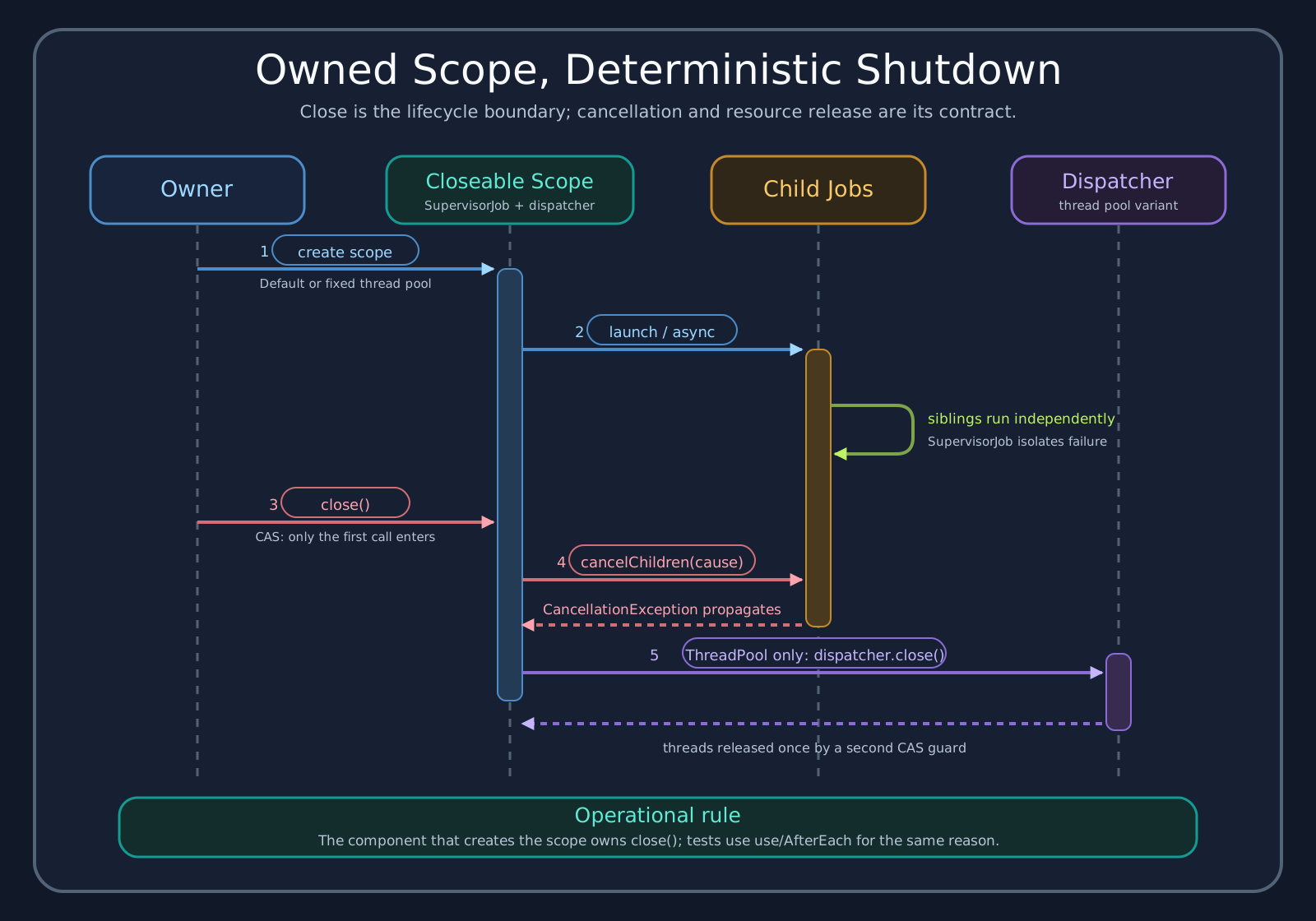
섹션 제목: “Closeable scope 계약”CloseableCoroutineScope는 _closed와 _cancelled를 atomic CAS로 보호합니다.
- 첫
close()가scopeClosed=true로 바꿉니다. clearJobs()가 먼저cancelChildren(cause)를 호출합니다.- 이어서 scope context 자체를
cancel(cause)합니다. - 이후
close()와clearJobs()는 상태를 되돌리거나 취소를 반복하지 않습니다.
DefaultCoroutineScope는 Dispatchers.Default + SupervisorJob()을 소유합니다. SupervisorJob은 형제 하나의 실패가 다른 형제를 즉시 취소하지 않게 하지만, owner가 close()하면 전체 child가 정리됩니다.
class ThumbnailWorker : AutoCloseable {    private val scope = DefaultCoroutineScope()
    fun submit(imageId: String): Job = scope.launch {        thumbnailService.generate(imageId)    }
    override fun close() = scope.close()}
전용 dispatcher를 소유할 때
섹션 제목: “전용 dispatcher를 소유할 때”ThreadPoolCoroutineScope(poolSize, name)은 양수 poolSize를 검증하고 fixed thread pool과 SupervisorJob을 결합합니다. 종료 시 coroutine 취소만으로는 thread pool이 해제되지 않으므로 dispatcher도 닫습니다.
class BlockingAdapter : AutoCloseable {    private val scope = ThreadPoolCoroutineScope(poolSize = 4, name = "legacy-io")
    suspend fun <T> call(block: () -> T): T =        withContext(scope.coroutineContext) { block() }
override fun close() = scope.close()}ThreadPoolCoroutineScope.close()는 상위 close() 뒤 별도 CAS guard로 dispatcher.close()를 한 번만 수행합니다. poolSize <= 0은 생성 시 IllegalArgumentException입니다.
CancellationException 처리
섹션 제목: “CancellationException 처리”취소는 일반적인 실패가 아니라 구조화된 종료 신호입니다. broad catch가 필요하면 취소를 먼저 재전파합니다.
try { remoteClient.load()} catch (e: CancellationException) { throw e} catch (e: Exception) { fallback(e)}clearJobs(CancellationException("shutdown"))에 전달한 cause는 child의 suspending point에서 관찰됩니다. 테스트는 child가 같은 message를 받은 뒤 parent Job이 inactive가 되는지 확인합니다.
테스트 패턴
섹션 제목: “테스트 패턴”전용 dispatcher를 만드는 테스트는 반드시 종료를 fixture에 포함합니다.
private val scopeLazy = lazy { ThreadPoolCoroutineScope(poolSize = 2) }
@AfterEachfun closeScope() {    if (scopeLazy.isInitialized()) scopeLazy.value.close()}
use {}도 적합합니다. 핵심은 성공, 실패, assertion failure 모두에서 owner가 close를 실행하는 것입니다.
문제 진단
섹션 제목: “문제 진단”| 증상 | 확인할 경계 | 조치 |
|---|---|---|
| 요청이 끝난 뒤 작업이 계속됨 | request child가 application/component scope로 탈출했는가 | caller scope 안에서 시작합니다. |
| shutdown 뒤 thread가 남음 | fixed/virtual dispatcher의 owner가 누구인가 | owner close()를 shutdown hook에 연결합니다. |
| child 하나의 실패가 전체 작업을 취소함 | Job과 SupervisorJob 중 무엇인가 | 결과가 독립적일 때만 supervision을 선택합니다. |
| timeout 뒤 remote I/O가 계속됨 | client가 coroutine cancellation을 socket/request 취소로 연결하는가 | client deadline과 idempotency도 함께 설계합니다. |
Source와 검증 근거
섹션 제목: “Source와 검증 근거”CloseableCoroutineScope.ktDefaultCoroutineScope.ktThreadPoolCoroutineScope.ktAbstractCoroutineScopeTest.kt
다음 장에서는 owner가 시작한 여러 Deferred 가운데 winner와 loser cleanup을 어떻게 정의하는지 설명합니다: Deferred 조정.