
Core 실전 레시피
보존 버전 Bluetape4k 1.11.0 릴리스 기준
이 장의 목적
섹션 제목: “이 장의 목적”Core는 utility catalog이지만 실제 설계는 함수 목록이 아니라 경계의 흐름으로 결정됩니다.
caller input -> validate once -> choose representation -> mutate bounded local state -> submit through bounded async capacity -> observe result or rejection -> stop producers and close in dependency order이 장은 앞선 계약을 하나의 작은 component로 조립합니다. 각 helper가 꼭 필요한 것은 아닙니다. Kotlin/JDK 표준 API만으로 계약이 충분히 명확하다면 그것을 유지합니다.
Recipe 1: 경계에서 한 번 검증하기
섹션 제목: “Recipe 1: 경계에서 한 번 검증하기”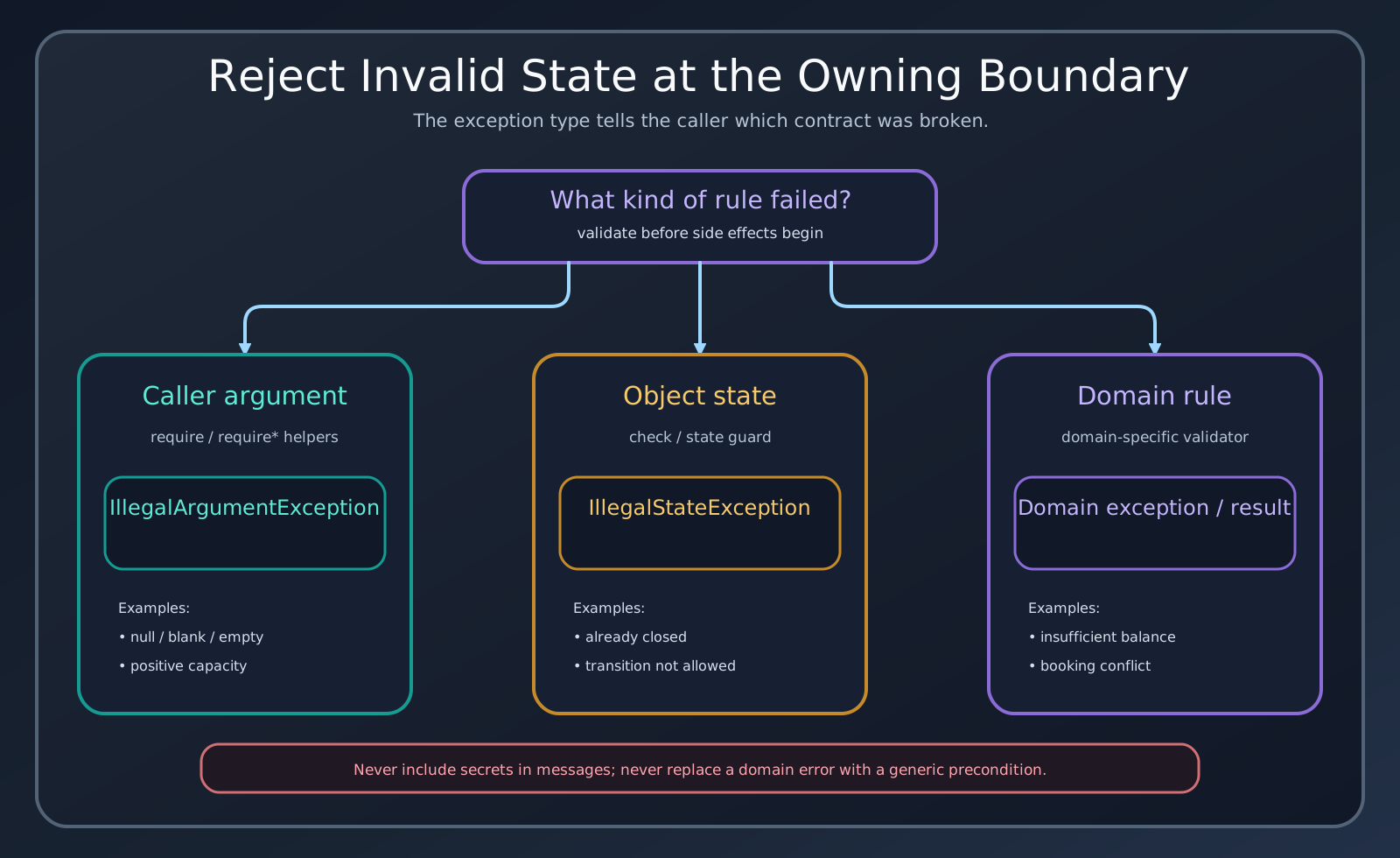
import io.bluetape4k.support.requireInRangeimport io.bluetape4k.support.requireNotBlank
data class EventCommand(    val tenantId: String,    val payload: String,    val priority: Int,)
fun eventCommand(tenantId: String?, payload: String?, priority: Int) =    EventCommand(        tenantId = tenantId.requireNotBlank("tenantId"),        payload = payload.requireNotBlank("payload"),        priority = priority.requireInRange(0, 9, "priority"),    )
Validation을 side effect 앞에 둡니다. 검증된 non-null value object가 내부 경계를 통과하도록 하면 이후 코드가 caller 오류를 반복해서 방어하지 않아도 됩니다.
Recipe 2: 표현과 bounded history 선택하기
섹션 제목: “Recipe 2: 표현과 bounded history 선택하기”import io.bluetape4k.codec.encodeBase64Stringimport io.bluetape4k.collections.RingBuffer
data class AcceptedEvent(val tenantId: String, val encodedPayload: String)
class RecentEvents(capacity: Int) { private val events = RingBuffer<AcceptedEvent>(capacity)
fun accept(command: EventCommand): AcceptedEvent = AcceptedEvent(command.tenantId, command.payload.encodeBase64String()) .also(events::add)
fun snapshot(): List<AcceptedEvent> = events.toList() // oldest -> newest}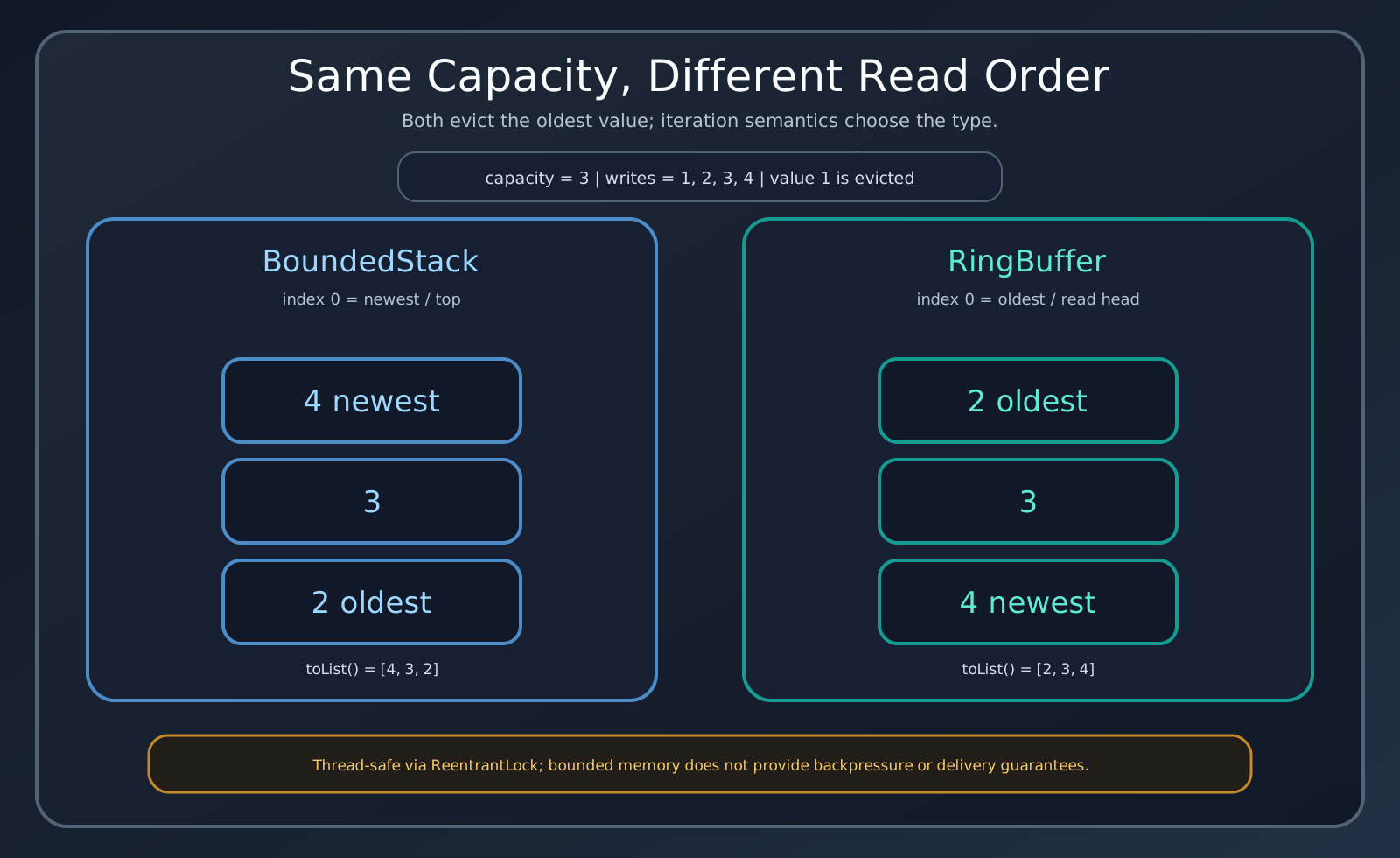
RingBuffer는 가장 오래된 값부터 읽는 최근 이력에 맞습니다. undo처럼 최신 값을 먼저 pop해야 한다면 BoundedStack을 사용합니다. 둘 다 capacity 초과 시 가장 오래된 값을 버리므로 eviction 자체가 허용되는 데이터에만 사용합니다. Audit log와 delivery queue에는 맞지 않습니다.
Base64는 transport 표현일 뿐 보안 기능이 아닙니다. 위 payload가 secret이면 snapshot/log의 접근 정책도 원본과 같아야 합니다.
Recipe 3: 외부 작업에 두 개의 capacity를 두기
섹션 제목: “Recipe 3: 외부 작업에 두 개의 capacity를 두기”import io.bluetape4k.concurrent.ConcurrentReducerimport io.bluetape4k.concurrent.concurrentReducerOfimport java.util.concurrent.CompletableFutureimport java.util.concurrent.CompletionStage
interface EventSink : AutoCloseable { fun send(event: AcceptedEvent): CompletionStage<String>}
class EventDispatcher(private val sink: EventSink) : AutoCloseable { private val reducer: ConcurrentReducer<String> = concurrentReducerOf(maxConcurrency = 8, maxQueueSize = 64)
fun dispatch(event: AcceptedEvent): CompletableFuture<String> = reducer.add { sink.send(event) }
val active: Int get() = reducer.activeCount val queued: Int get() = reducer.queuedCount
override fun close() = reducer.close()}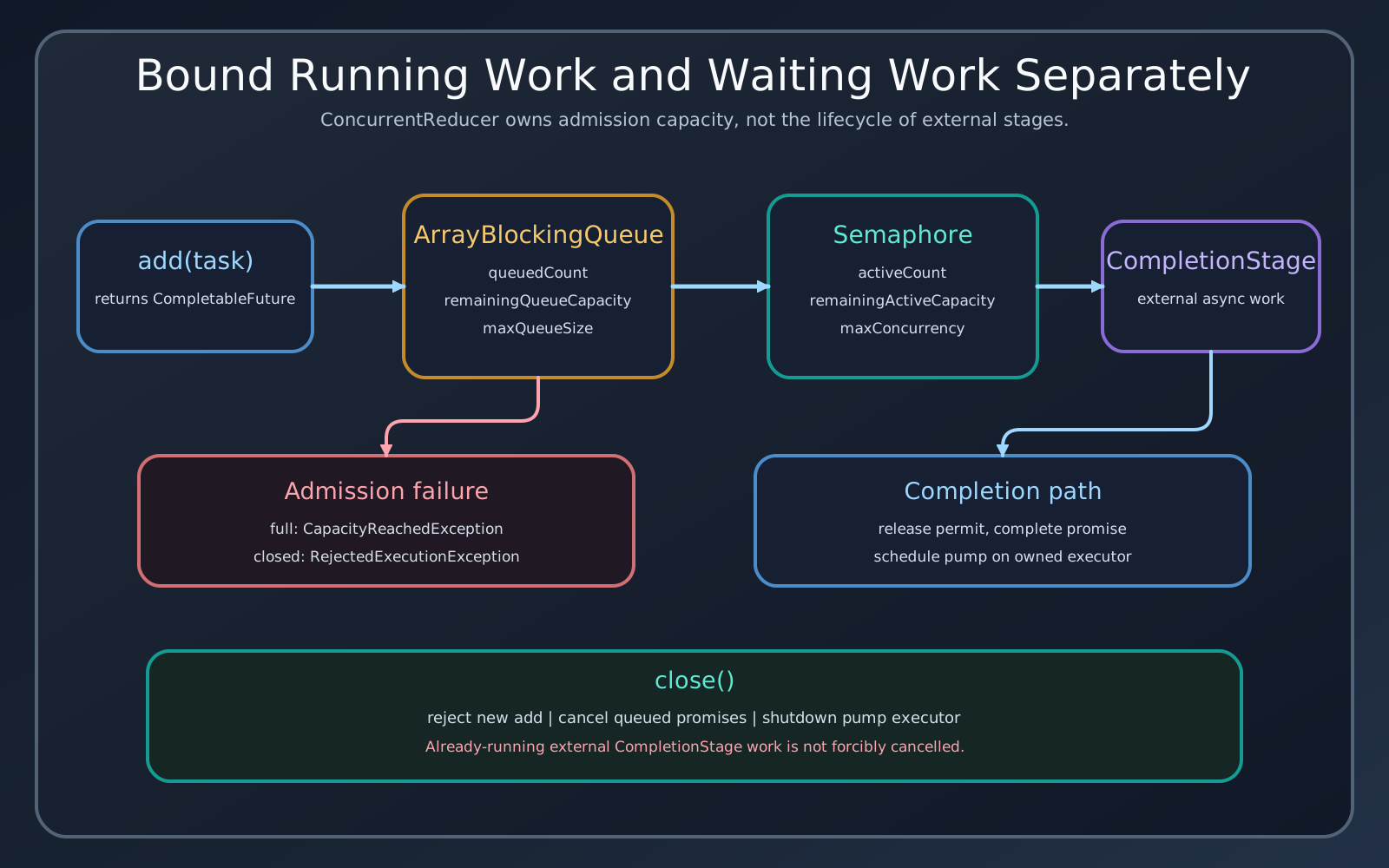
호출자는 dispatch의 future를 반드시 관찰합니다. queue full은 CapacityReachedException, close 이후 submission은 RejectedExecutionException으로 완료됩니다. 이 실패를 task 자체의 실패와 구분해 retry/HTTP overload 정책에 연결합니다.
Recipe 4: 정상 종료와 JVM 안전망을 분리하기
섹션 제목: “Recipe 4: 정상 종료와 JVM 안전망을 분리하기”import io.bluetape4k.utils.ShutdownQueue
class EventRuntime( private val sink: EventSink, private val dispatcher: EventDispatcher,) : AutoCloseable { override fun close() { dispatcher.close() // producers stopped before this call sink.close() }}
val sink: EventSink = createEventSink()val dispatcher = EventDispatcher(sink)val runtime = EventRuntime(sink, dispatcher)
ShutdownQueue.register(sink)ShutdownQueue.register(dispatcher)ShutdownQueue.register(runtime)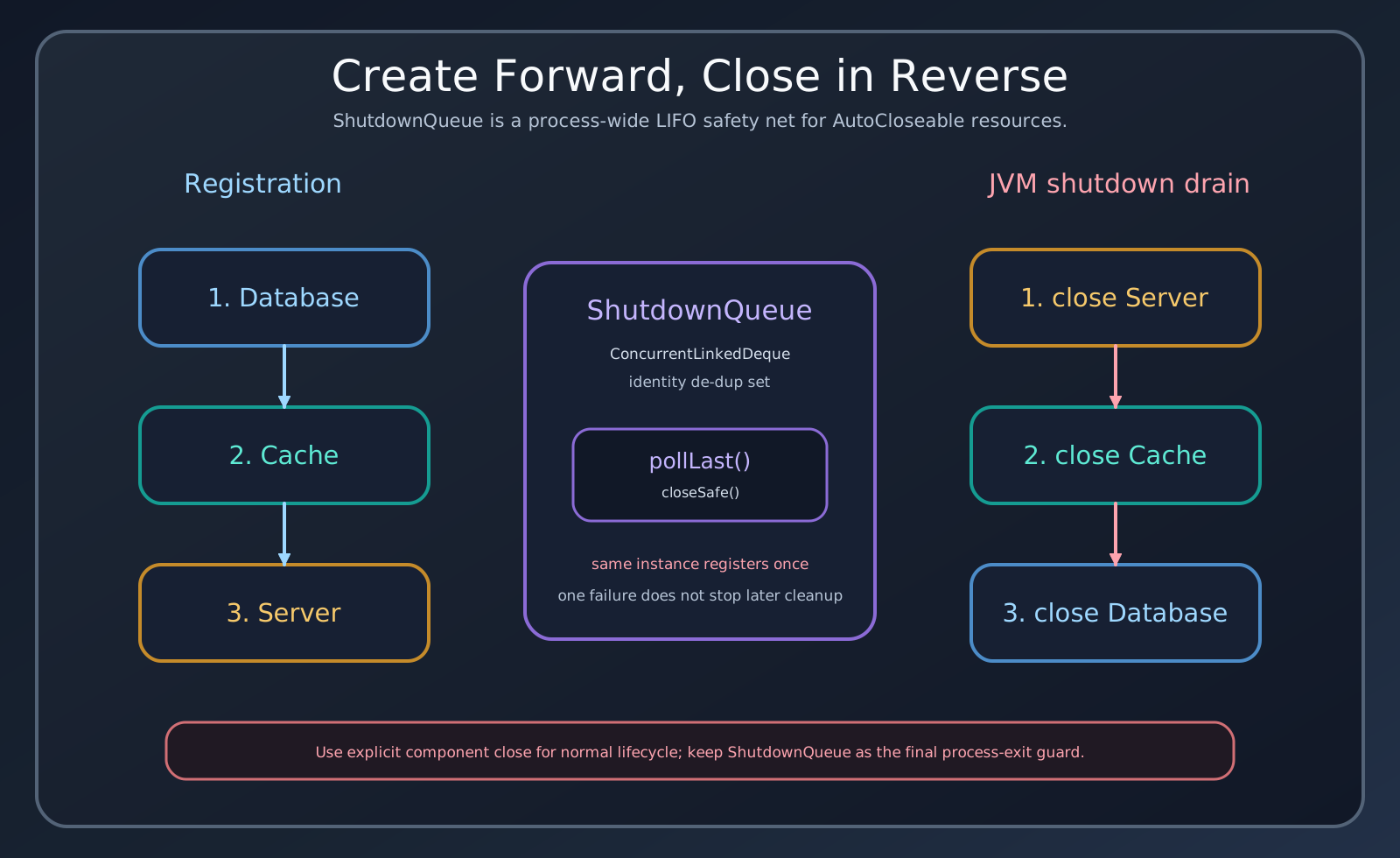
실제 application lifecycle에서는 runtime.close()를 직접 호출합니다. ShutdownQueue 등록은 비정상적인 process exit에서도 역순 cleanup을 시도하기 위한 보조 장치입니다. 동일 객체 중복 등록은 무시되지만 wrapper와 내부 resource를 각각 등록하면 각 객체는 한 번씩 close될 수 있으므로 close 구현은 idempotent해야 합니다.
End-to-end 검증 시나리오
섹션 제목: “End-to-end 검증 시나리오”| 시나리오 | 고정할 assertion |
|---|---|
| null/blank tenant | side effect 전 IllegalArgumentException |
| payload round-trip | UTF-8 원문과 decode 결과 동일 |
| history capacity + 1 | oldest eviction, oldest-to-newest snapshot |
| reducer queue full | 반환 future의 cause가 CapacityReachedException |
| task error | permit 반환 후 다음 queued task 진행 |
| reducer close | queued promise cancelled, new submission rejected |
| shutdown | producer stop 후 dispatcher, sink 순서로 close |
운영 체크리스트
섹션 제목: “운영 체크리스트”- capacity는 메모리 한도와 허용 대기 시간에서 역산했는가?
- eviction과 rejection을 metric으로 구분했는가?
- 모든 returned future를 관찰하는가?
- 정상 lifecycle이
ShutdownQueue보다 먼저 자원을 닫는가? - encoded secret을 일반 text처럼 로그에 남기지 않는가?
- timezone/range가 포함된 downstream query는 endpoint test가 있는가?
Source와 이어 읽기
섹션 제목: “Source와 이어 읽기”별도의 workshop이 없어도 위 representative test를 runnable specification으로 사용할 수 있습니다. Consumer module에서는 필요한 helper만 묶은 작은 integration test를 추가하고, 이 매뉴얼을 계약의 source of truth로 유지합니다.